We enhance your manufacturing processes, ensuring resilience and compliance. Tackling sustainability challenges with collaborative standards, we can propel manufacturing toward a sustainable future, together.
Industry
Manufacturing
Elevating manufacturing practices and providing sustainable solutions, quality enhancements, and resilient strategies for optimized production.

In the quest for the best in manufacturing, making operations efficient and processes strong is a shared goal. But what makes excellence, and how can your organization achieve it?
In the complex world of global manufacturing, various components and regulations intertwine. This intricacy provides an opportunity to enhance both quality and teamwork, ensuring seamless operations and customer satisfaction.
Manufacturing has faced tough challenges, testing businesses' strength and continuity. Problems with logistics, sourcing, and distribution have shown weaknesses in how supply chains work.
But, whilst we move ahead, many parts of manufacturing are still finding their way back from recovery.

Why BSI
Innovative solutions for manufacturers
We offer innovative solutions for manufacturers to address global challenges, fostering trust by ensuring compliance with standards and regulations.
Explore Industry
Creating a better future for manufacturing
Our expertise in manufacturing ensures efficient and resilient operations every step of the way.
Industry Focus
Find out more
Health, Safety & Well-being in Manufacturing
Fortify your brand and supplier scorecards. Health, safety and well-being not only safeguards your people but builds a foundation for success.

Industry Focus
Find out more
Sustainability in Manufacturing
Master the the art of sustainable manufacturing with minimal harm, uniting environmental responsibility, resource efficiency, and ethical practices.
Industry Focus
Find out more
Supply Chain in Manufacturing
Harness digital potential to make informed decisions, foster collaboration, and secure your supply chain against uncertainties.
Let's work together
Are you ready to pioneer change in your manufacturing practices?
Give your organization a competitive advantage through our expertise in driving best practices and standards for streamlined manufacturing production.
Products & Services
Gain a competitive edge by enhancing your manufacturing expertise
-
Standards are blueprints for excellence, providing robust strategies for minimizing risk, ensuring safety, and championing sustainability.Find a standard
We are committed to providing our clients with impartial and independent certification services. Because of this, we are not able to provide management system or product consultancy services and certification services to the same client where there may be a conflict of interest. This message will appear as a reminder on future visits to our site.
-
Benefit from relevant courses that are continually updated with the latest global trends and regulatory changes.Find a course
We are committed to providing our clients with impartial and independent certification services. Because of this, we are not able to provide management system or product consultancy services and certification services to the same client where there may be a conflict of interest. This message will appear as a reminder on future visits to our site.
-
Assess, certify, test, and audit your people, products, and processes with the support of our experts.Find out more
We are committed to providing our clients with impartial and independent certification services. Because of this, we are not able to provide management system or product consultancy services and certification services to the same client where there may be a conflict of interest. This message will appear as a reminder on future visits to our site.
-
Our world-class consulting services enable you to accelerate progress and manage risk across your entire organization.Talk to our team
We are committed to providing our clients with impartial and independent certification services. Because of this, we are not able to provide management system or product consultancy services and certification services to the same client where there may be a conflict of interest. This message will appear as a reminder on future visits to our site.
-
Software solutions to help you manage your audit, compliance, and supply chain activities, as well as your regulatory information.Discover tools
We are committed to providing our clients with impartial and independent certification services. Because of this, we are not able to provide management system or product consultancy services and certification services to the same client where there may be a conflict of interest. This message will appear as a reminder on future visits to our site.

Insights & Media
Discover valuable resources for enhancing your manufacturing practices
Get Insights & Media
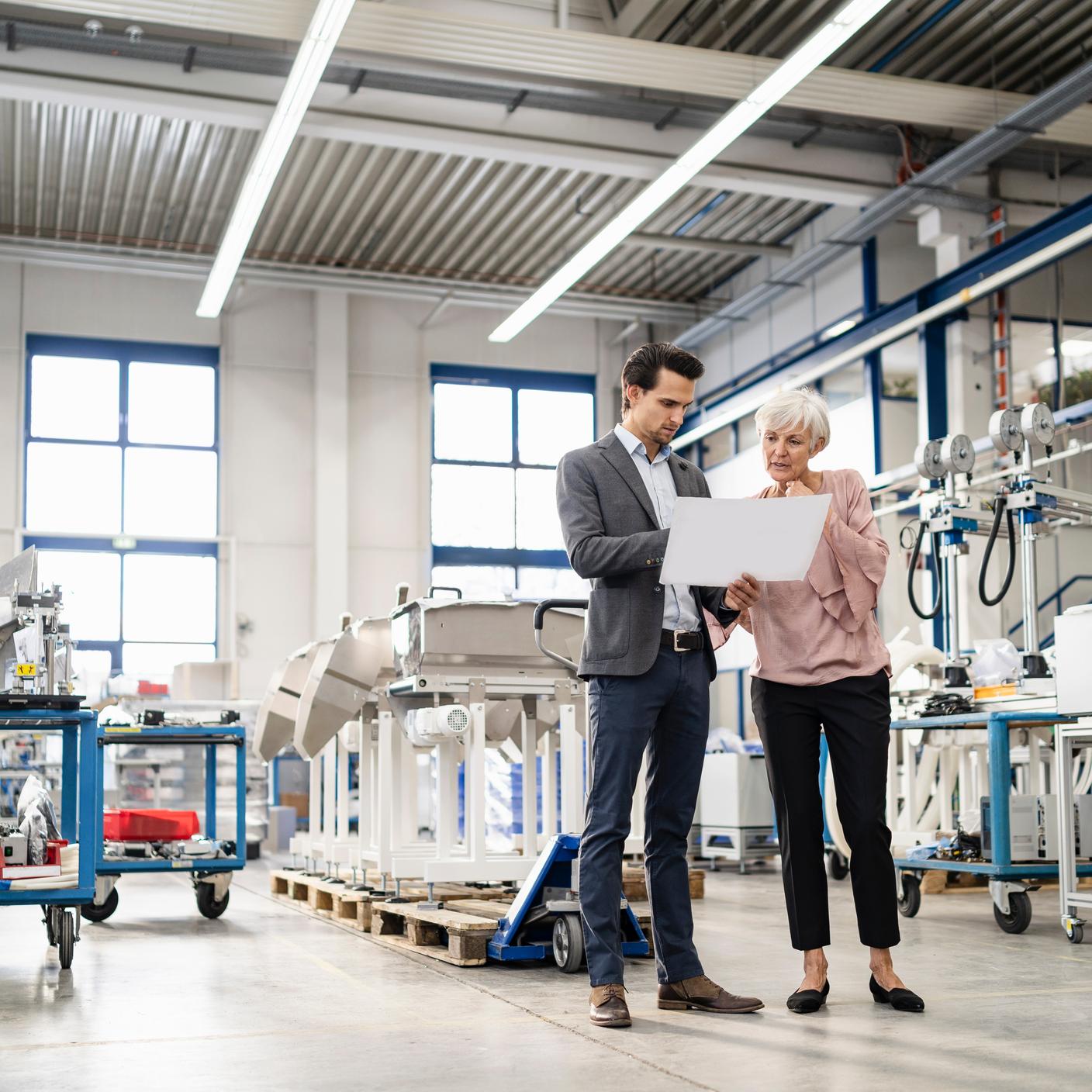

Capabilities
Supporting you to drive progress in the manufacturing sector
Expertise
The race to gain a competitive edge brings up a myriad of challenges
Unwrap unparalleled efficiency and excellence and familiarize yourself with other factors that contribute to a greener future in manufacturing.
More about BSI-
 Expertise
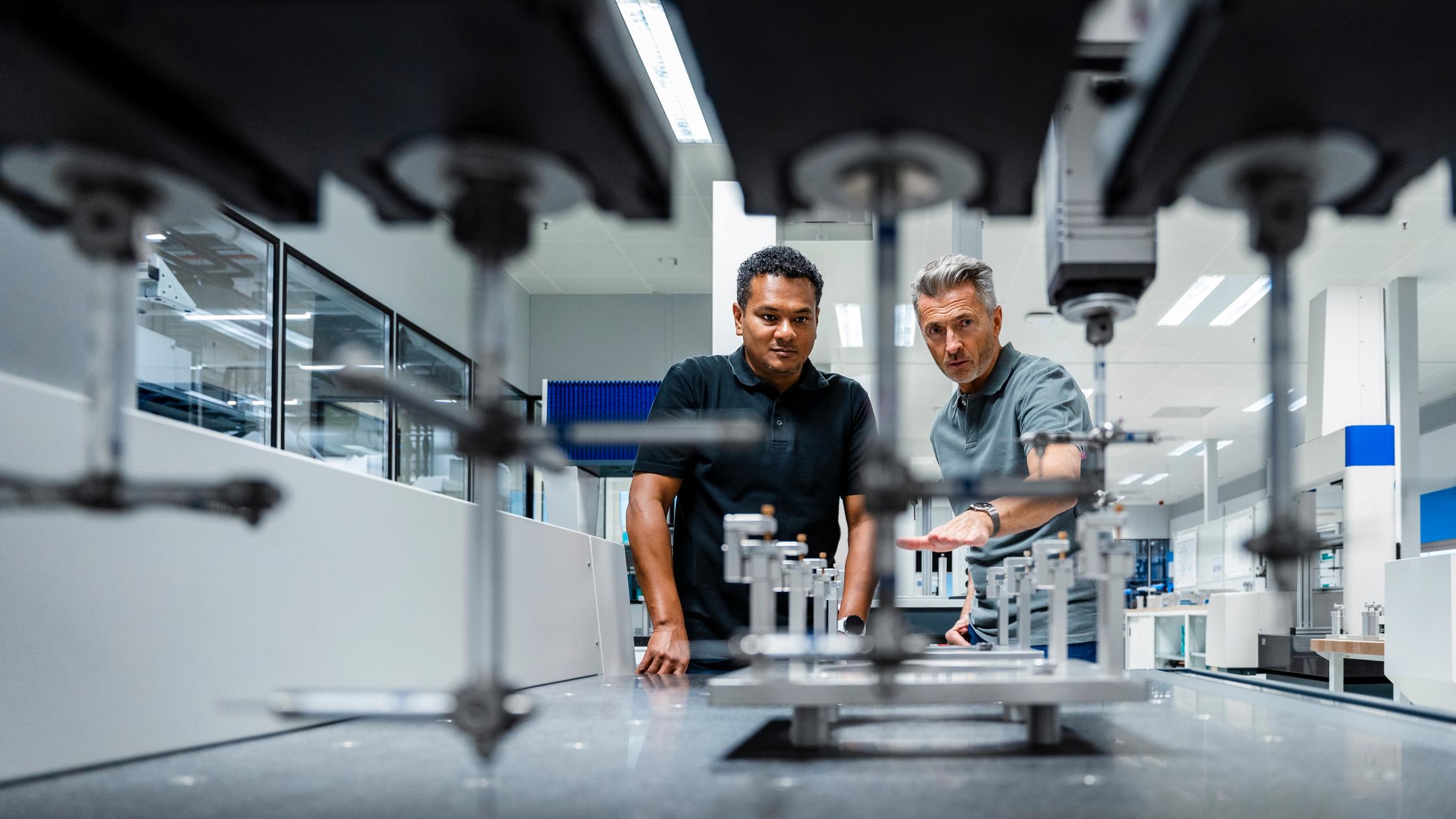
Quality
Quality is the foundation of trust, boosting confidence in products and services and allowing you to develop strong relationships for growth.
Find out more
-
 Expertise
Digital Trust
Shaping society by developing a resilient digital future, that respects privacy, safety, security, and reliability.
Find out more
-
 Expertise
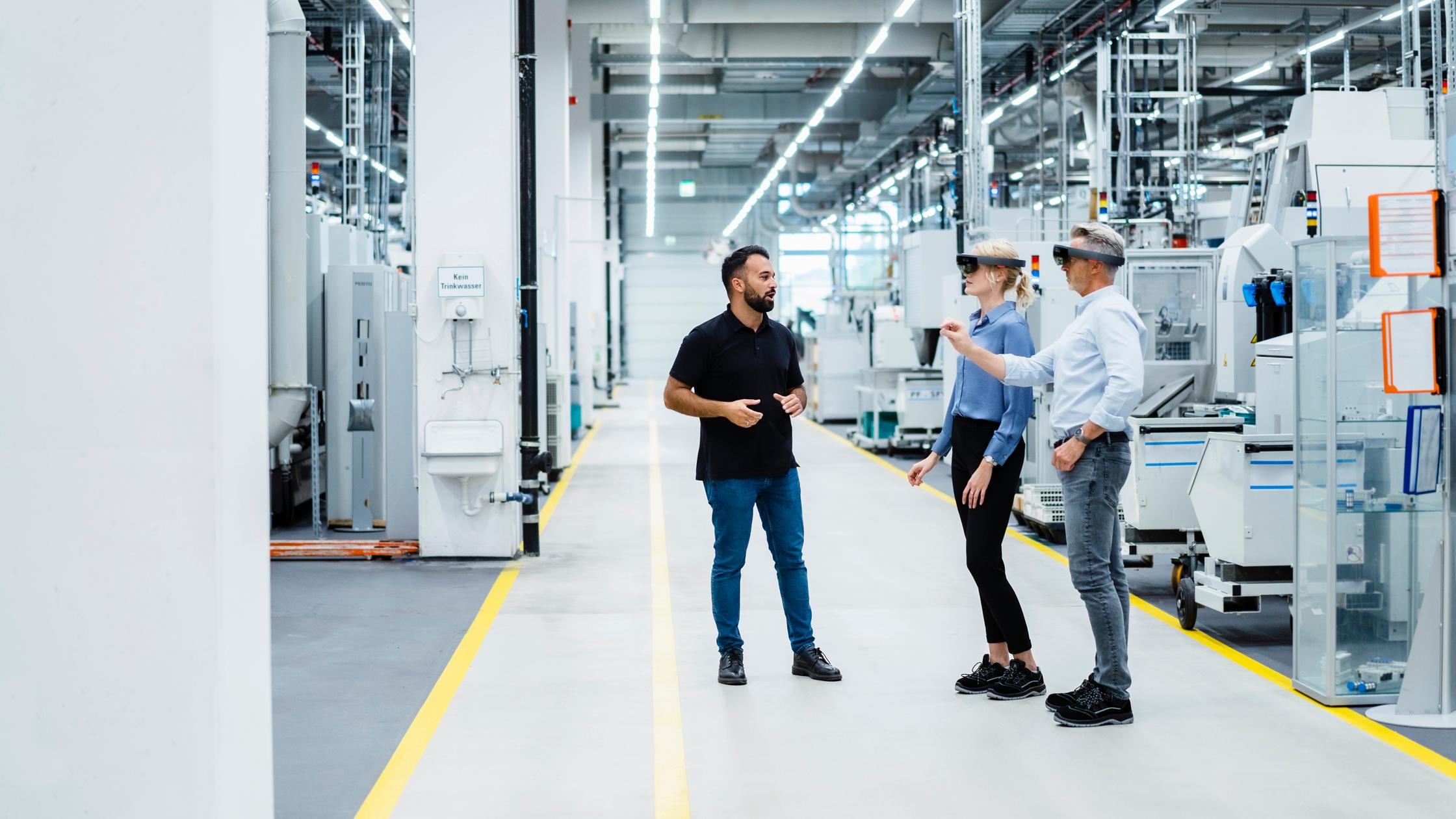
Innovation
Accelerating the adoption of new technologies to bring about a clear and positive impact for a sustainable world.
Find out more
-
 Expertise
Supply Chain
As supply chains grow in complexity, so do the related risks and opportunities.
Find out more
-
 Expertise
Sustainability
How do we create sustainable societal infrastructure for a better future for all?
Find out more
-
 Expertise
Health, Safety & Well-being
Prioritizing people can help to ensure the well-being of your employees, inspire a culture of trust and build a future-ready workforce.
Find out more
Contact Us
Engineering a brighter future together
Discover how our expertise can empower your manufacturing practices, addressing challenges from sustainability to seamless operations.
